5 Common Misconceptions About Artificial Intelligence

Understanding Artificial Intelligence
Artificial Intelligence (AI) is often surrounded by a cloud of misconceptions. While some are driven by popular media, others stem from a lack of understanding. Here, we aim to clarify five common misconceptions about AI, shedding light on what it truly is and what it can do.

AI Equals Human Intelligence
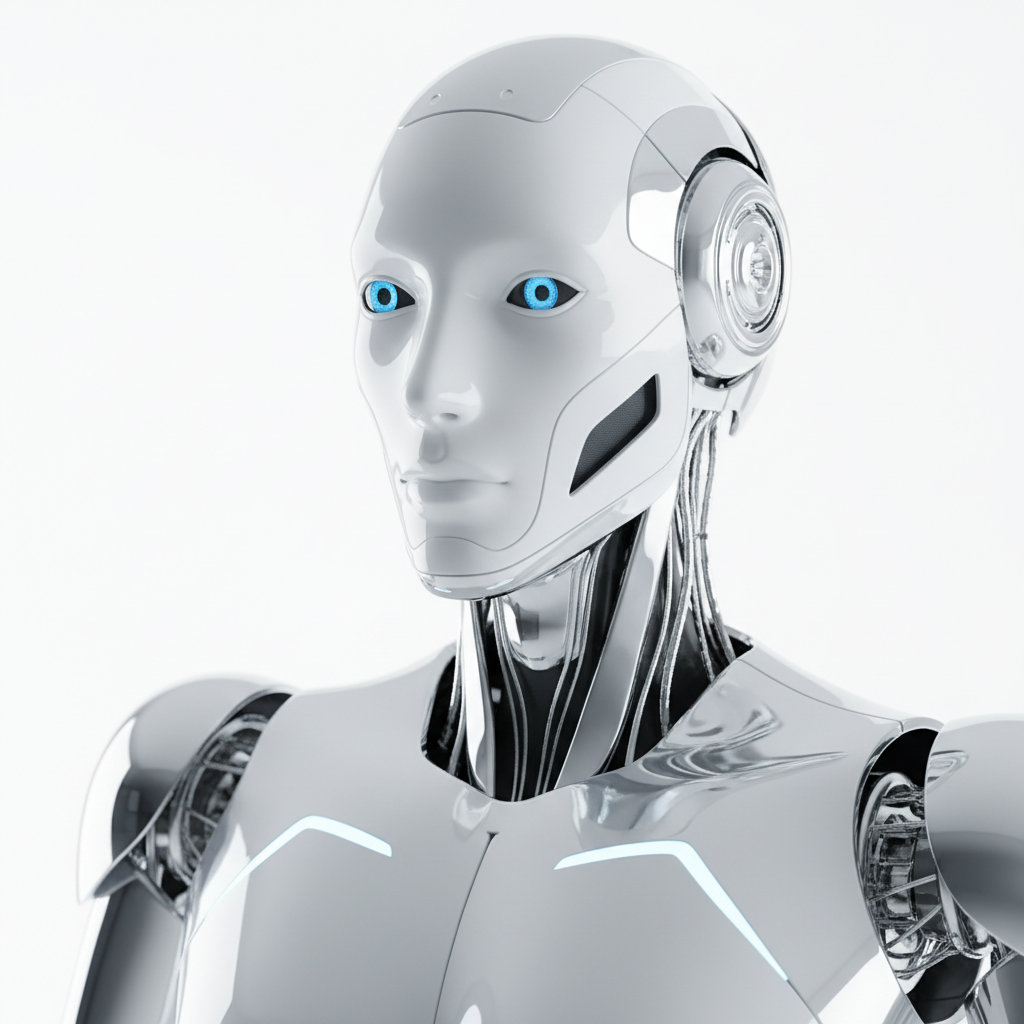
A prevalent myth is that AI replicates human intelligence. While AI can perform tasks that require intelligence, such as learning and problem-solving, it does not possess consciousness or emotions. AI operates based on algorithms and data, lacking the subjective experiences that characterize human thought.
It's crucial to understand that current AI systems are only as good as their programming and the data fed into them. They excel in specific tasks but do not possess the general intelligence humans have.
AI Will Replace Jobs
Another common fear is that AI will lead to massive unemployment. While AI can automate repetitive tasks, it also creates new job opportunities. Industries are evolving, and with this evolution, new roles are emerging that require human creativity and problem-solving.
AI should be seen as a tool that can enhance productivity and innovation, allowing humans to focus on more complex and meaningful work.
AI Is Infallible
People often assume AI systems are always accurate and unbiased. However, AI is only as reliable as the data and algorithms it relies on. If trained on biased data, AI can make biased decisions.
This highlights the importance of ethical AI development, where diverse data and transparent algorithms are prioritized to minimize errors and biases.

AI Can Learn and Evolve on Its Own
Many believe that AI can independently learn and evolve without human intervention. In reality, AI requires continuous input and adjustments from humans to improve its performance. Machine learning models, for instance, need regular updates and retraining with new data.
Human expertise is essential in guiding AI development, ensuring it aligns with intended goals and functions effectively.
AI Is a Recent Phenomenon
Some think AI is a modern invention. However, the journey of AI began decades ago, with foundational theories and experiments dating back to the mid-20th century. The recent surge in AI's popularity is due to advancements in computing power, data availability, and algorithm development.

Understanding these misconceptions is crucial for embracing AI's potential. By dispelling myths, we can better appreciate AI as a powerful tool that, when used responsibly, can drive innovation and improve our lives.