Latest Trends in Data Science: What to Expect

Introduction to Current Trends
The field of data science is evolving rapidly, with new tools and techniques emerging to address complex challenges. As we move forward, these innovations are shaping the future of industries worldwide, offering unprecedented insights and efficiencies.

Understanding the latest trends in data science can help businesses and individuals stay ahead of the curve. In this post, we'll explore what to expect in the coming years, from advancements in AI to the growing importance of data ethics.
Artificial Intelligence and Machine Learning
Artificial Intelligence (AI) and Machine Learning (ML) continue to dominate data science discussions. These technologies are becoming more sophisticated, enabling the automation of complex tasks and the extraction of valuable insights from vast data sets.
With the growth of AI and ML, expect to see improvements in natural language processing, image recognition, and predictive analytics. These advancements are likely to revolutionize industries such as healthcare, finance, and retail.
Data Privacy and Ethics
As data usage expands, so do concerns about privacy and ethics. Organizations are increasingly focusing on data governance and ethical considerations to ensure responsible data handling. This trend is driven by stricter regulations and the need to maintain consumer trust.

Expect businesses to invest more in ethical AI practices and transparency in data collection and usage. This focus will help mitigate risks and build stronger relationships with customers.
Real-Time Data Processing
Real-time data processing is becoming a necessity as businesses seek to make faster decisions. Technologies such as Apache Kafka and Apache Flink are enabling the processing of data streams in real time, providing immediate insights and actions.
This trend is particularly relevant for sectors like finance and e-commerce, where timely decisions can lead to significant competitive advantages.
Increased Use of Cloud Computing
Cloud computing is playing a pivotal role in data science, offering scalable and flexible solutions for data storage and processing. Companies are leveraging cloud platforms to access powerful computational resources without the need for extensive on-premises infrastructure.
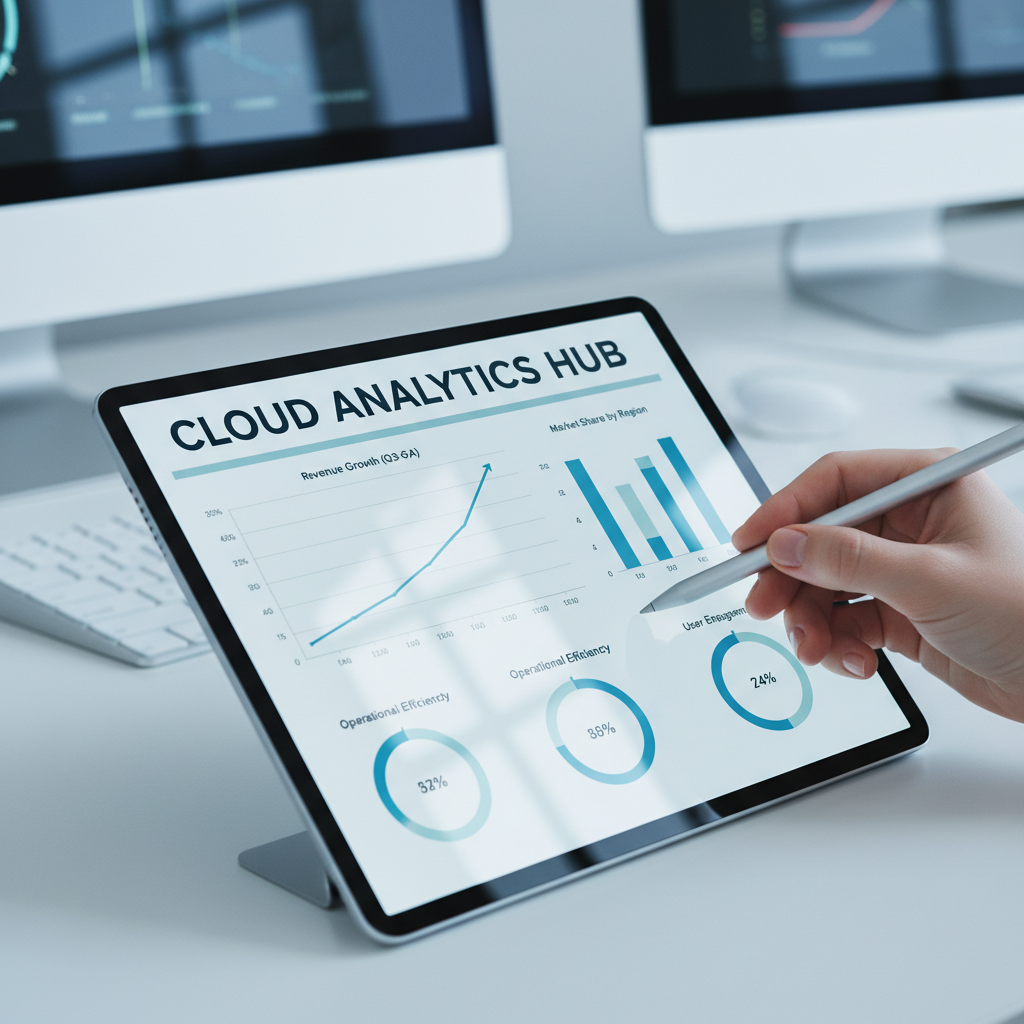
This shift towards the cloud is expected to continue, making data science more accessible and cost-effective for businesses of all sizes.
Focus on Data Visualization
Data visualization tools are becoming increasingly sophisticated, allowing for more intuitive and interactive representations of data. Tools like Tableau and Power BI are leading this charge, helping users understand complex data sets more easily.
Effective data visualization is crucial for communicating insights clearly and effectively, making it a key trend to watch in the data science landscape.
Conclusion
In conclusion, the latest trends in data science are shaping a dynamic and exciting future. From AI advancements to ethical considerations, these developments offer significant opportunities for growth and innovation.
Staying informed and adapting to these trends will be essential for businesses and professionals looking to harness the full potential of data science in the years to come.