The Future of AI: Trends and Innovations to Watch


Introduction
The rapid advancement of artificial intelligence (AI) is reshaping industries and transforming everyday life. As we look to the future, several key trends and innovations are set to drive AI's evolution, offering exciting possibilities and challenges.

AI in Healthcare
The integration of AI in healthcare is revolutionizing patient care. From diagnostics to personalized medicine, AI systems are enhancing accuracy and efficiency. Algorithms can analyze complex datasets, leading to earlier detection of diseases and more effective treatment plans.
Furthermore, AI-driven tools are improving administrative tasks, reducing workload for healthcare professionals, and allowing them to focus more on patient interaction. This trend is expected to continue, with innovations such as AI-powered surgical robots and virtual health assistants gaining traction.
Automation and the Workforce
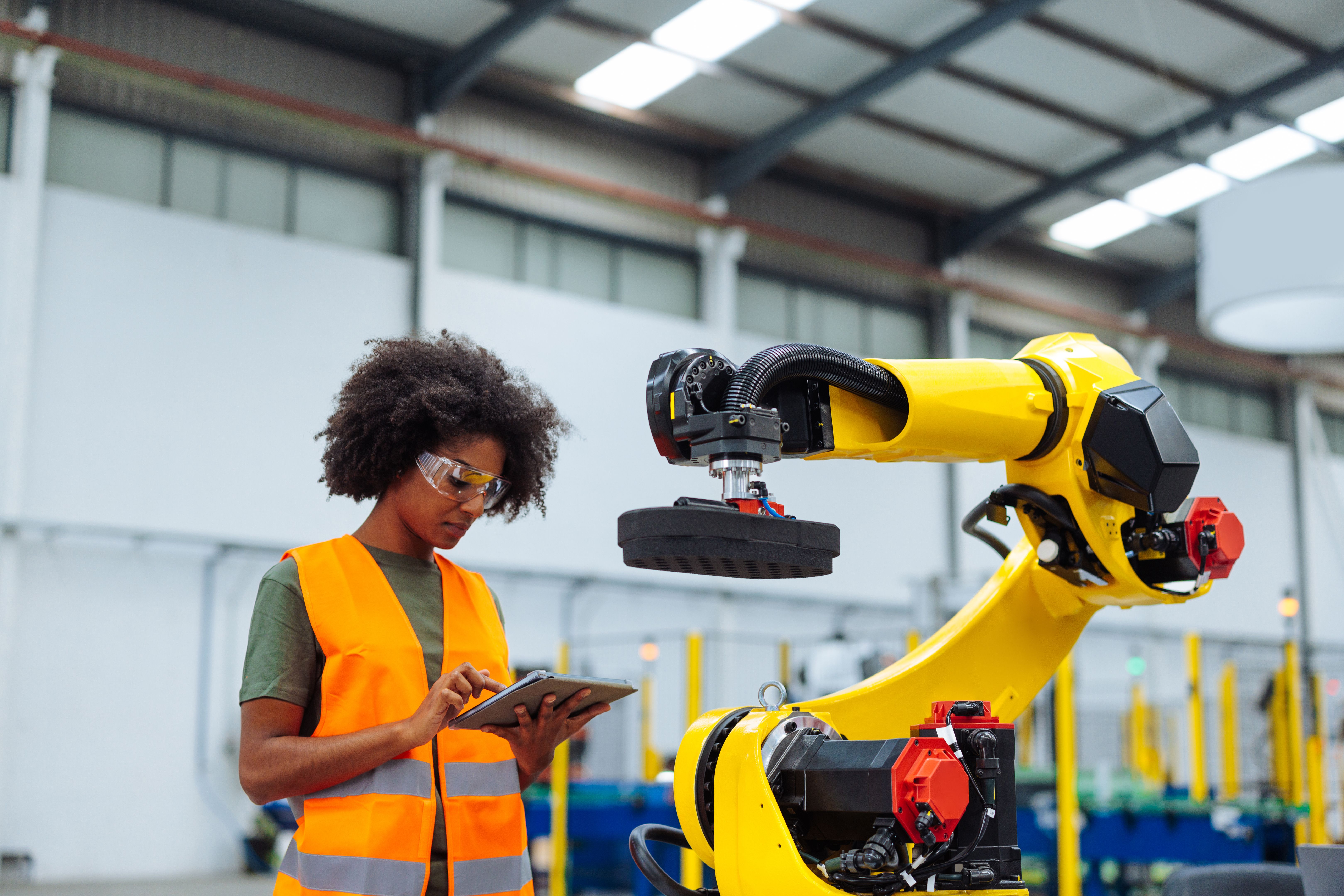
AI is significantly impacting the workforce through automation. While there are concerns about job displacement, AI also creates new opportunities and roles. Automation is streamlining processes across industries, boosting productivity and efficiency.
Future trends suggest a rise in collaborative robots, or "cobots," which work alongside humans to enhance capabilities. This synergy between AI and the human workforce is anticipated to lead to increased innovation and economic growth.
AI Ethics and Regulation
As AI technology advances, ethical considerations and regulation become increasingly important. Ensuring AI is developed and used responsibly is crucial to avoid unintended consequences. Discussions around data privacy, bias, and transparency are at the forefront.
Governments and organizations are working on frameworks to regulate AI, aiming to balance innovation with ethical standards. This ongoing dialogue will shape the future of AI deployment across various sectors.
AI and Personalization
AI's ability to analyze vast amounts of data enables unprecedented levels of personalization. From tailored marketing strategies to customized user experiences, businesses are leveraging AI to meet individual customer needs.
This trend is expected to grow, with AI-driven personalization becoming a key differentiator in competitive markets. Companies that effectively harness this technology will likely see increased customer loyalty and engagement.

AI in Education
Educational technology is another area where AI is making significant strides. AI-powered platforms are providing personalized learning experiences, adapting to individual student needs and learning styles. This approach is helping to bridge educational gaps and improve outcomes.
In the future, AI could play a pivotal role in curriculum development, teacher support, and administrative efficiencies, transforming the educational landscape.
Conclusion
The future of AI is full of potential, with trends and innovations that promise to reshape various aspects of society. As AI continues to evolve, it is essential to remain informed and engaged with these developments to harness their full benefits responsibly.